
For financial institutions navigating the global tax landscape, strict fatca crs compliance represents a monumental annual hurdle. The technical requirements are unforgiving, and the penalties for non-compliance are severe.
But what happens when the calendar flips, the deadline passes, and your data hasn't been transmitted?
Whether you are dealing with IRS direct reporting or navigating a local jurisdiction’s CRS portal, this guide breaks down the core rules, the strict technical validations, and the exact steps to take if you find your institution in default.
Part 1: The Reporting Landscape and Deadlines
Before addressing a crisis, it is crucial to understand the baseline expectations. Deadlines vary fundamentally based on the regulatory framework.
FATCA (US IRS)
-
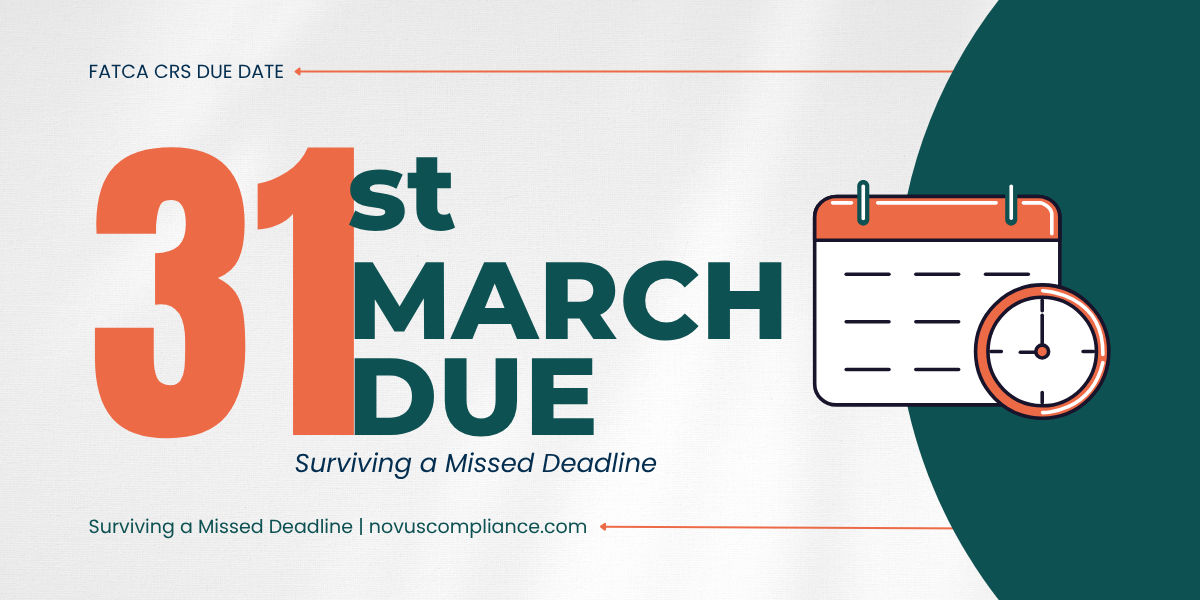
Model 2 IGAs & Non-IGA Jurisdictions (Direct Reporting): Financial institutions report directly to the IRS. The hard deadline is traditionally March 31 of the year following the reporting period.
-
Model 1 IGAs (Indirect Reporting): Institutions report to their domestic tax authority, which then forwards the data to the IRS. For example, regarding fatca crs reporting in india, institutions operate under a Model 1 IGA and must submit their data to the Central Board of Direct Taxes (CBDT), traditionally by May 31.
CRS (OECD)
-
Under CRS, all reporting is done indirectly through your local tax authority. Deadlines are dictated by local law. For those navigating fatca crs india mandates, the CRS deadline generally aligns with the local FATCA deadline under the CBDT.
Part 2: Crisis Management — What to Do When the Deadline Has Passed
Missing a deadline triggers a ticking clock. The consequences range from steep local fines to the catastrophic loss of a Global Intermediary Identification Number (GIIN), which subjects the institution to a mandatory 30% withholding tax on U.S.-sourced payments.
If the deadline has passed, here is your immediate action plan:
Scenario A: FATCA Model 2 (Direct IRS Reporting)
If March 31 has passed, your path forward depends on your prior actions:
-
Check for an Extension: Did your institution file Form 8809-I before March 31? If so, the IRS automatically grants a 90-day extension, pushing your deadline to late June. If you are within this window, proceed with your XML generation and submit via the International Data Exchange Service (IDES) immediately.
-
Filing Delinquent (No Extension): If no extension was filed, you are officially in default of your FFI Agreement.
-
Do not wait for a notice. The IDES portal remains open for late filings. You must submit your Form 8966 XML data immediately.
-
The Cure Period: The IRS will eventually issue a Notice of Default. Upon receiving this, you are generally granted a specific "cure period" to rectify the failure and explain the delay. Having your encrypted XML payload already submitted by the time this notice arrives demonstrates good-faith compliance and accelerates the cure process.
-
Scenario B: FATCA Model 1 and CRS (Local Authority Reporting)
Because this is governed by local law, a missed deadline is a domestic tax issue.
-
Submit the File Immediately: Most local portals will continue to accept late submissions. Your priority is stopping the daily accrual of financial penalties tied to late fatca crs reporting.
-
Contact the Competent Authority: Transparency is key. Reach out to the principal point of contact at the local tax authority to inform them that a late file has been submitted and to explain the administrative or technical delay.
Part 3: The Technical Trap — Validations and Pre-Submission Rules
A major reason institutions miss deadlines is that they underestimate the technical friction of the submission process. A file is not considered "submitted" if the portal rejects the payload.
Before hitting send, your data must survive rigorous validations:
-
Flawless XML Schema: Submissions cannot be simple spreadsheets; they must be structured as specific XML files. The IRS requires FATCA XML v2.0. The OECD is currently transitioning jurisdictions from CRS XML v2.0 to the stricter v3.0. A single misplaced tag or invalid data type will result in an instant schema rejection.
-
Data Integrity (TINs and DoBs): Missing or improperly formatted Tax Identification Numbers and Dates of Birth are the primary triggers for file failure.
-
Nil Reporting: Even if you have zero reportable accounts, you cannot simply stay silent. Most jurisdictions require a properly formatted "Nil Report" XML file to confirm your zero-balance status.
-
Strict Encryption Protocols: Data privacy is non-negotiable. For direct IRS reporting, the XML must be packaged, digitally signed, and heavily encrypted following IDES specifications.
Part 4: The Strategy — Speed Through Technical Enablement
When you are past the deadline, time is your most valuable asset. While many institutions default to full-service fatca crs compliance services, the back-and-forth communication required by traditional filing agents can create massive bottlenecks, further delaying an already delinquent submission.
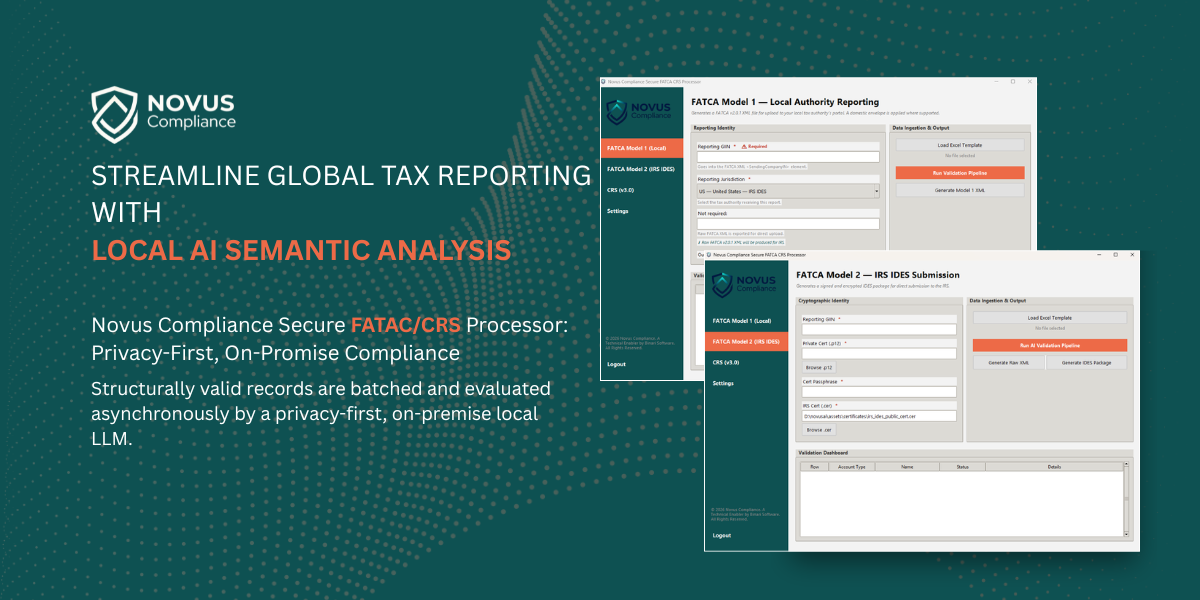
To survive a late filing—or prevent one altogether—institutions must take control of their own data transmission. The most efficient strategy is to utilize specialized fatca crs compliance software.
By leveraging dedicated fatca crs reporting software that strictly handles the XML file generation to the exact IRS/OECD standards and automatically secures the payload with SSL certificate encryption, institutions bypass the administrative bloat. This focused technical enabler approach ensures that the moment your team finalizes the account data, the compliant, encrypted XML package is instantly ready for upload, allowing you to rapidly cure defaults and secure your GIIN.